Stay informed with our technical resource center. Here you will find expert articles, case studies, and industry updates focused exclusively on metallic gasket selection, installation, and maintenance. Learn how to choose between Spiral Wound and Kammprofile for your heat exchanger, understand NACE MR0175 requirements for sour gas service, and keep up with the latest ASME B16.20 revisions. Our goal is to help you make better sourcing decisions and achieve leak-free operations. Browse our latest posts or use the search bar to find answers to your sealing challenges.
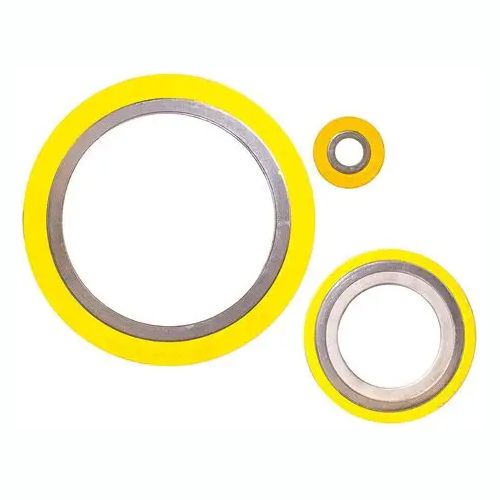
Spiral wound metal gaskets are semi-metallic sealing components made by winding alternating layers of V-shaped metal strip and soft filler material into a spiral. They are designed for demanding flange connections that require reliable sealing under high pressure, high temperature, and aggressive service conditions.
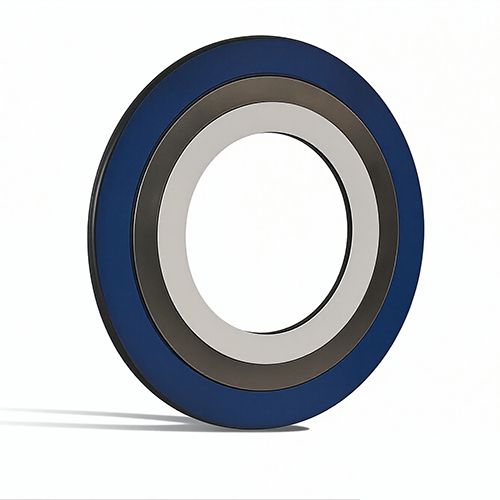
This article explores the common materials used for metallic gaskets and compares their performance in sealing, temperature and pressure resistance, corrosion resistance, and cost, helping readers choose the best material for their specific application.
This article examines whether jacketed metal gaskets are suitable for corrosive chemical environments, focusing on jacket material selection, chemical compatibility, temperature and pressure limits, and practical considerations for reliable sealing performance.
This article provides a concise guide to installing Flexseal tandem seal gaskets correctly, covering proper preparation, alignment, lubrication, seating, torque requirements, and inspection steps to help prevent leaks and ensure reliable sealing performance.
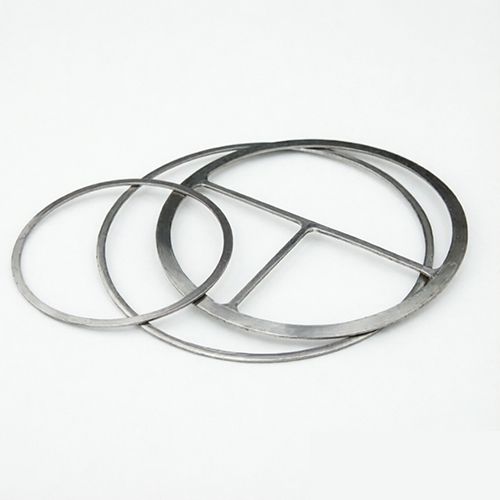
This article provides recommended torque values for Kammprofile metal gaskets and highlights key factors such as gasket dimensions, seating stress, bolt load, flange condition, and tightening practice to help achieve a reliable seal.
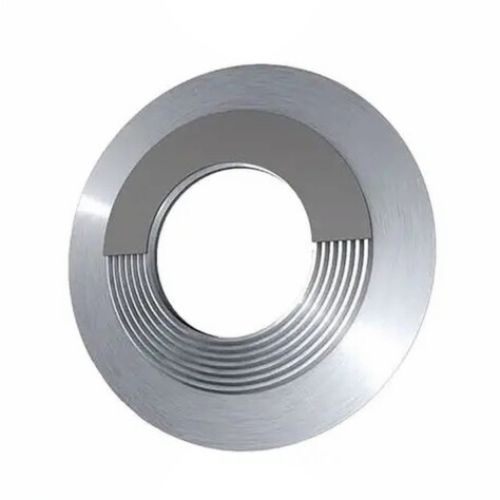
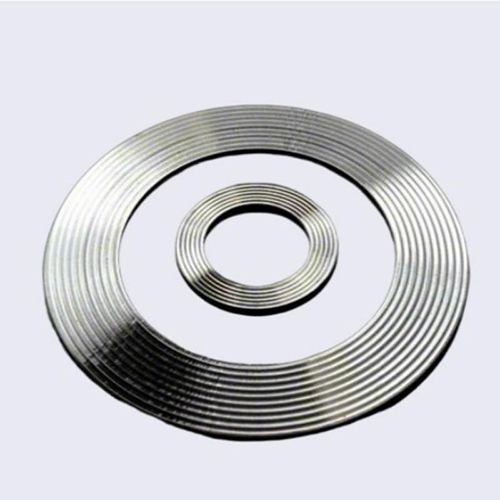
Corrugated metal gaskets are typically made from metals such as stainless steel, carbon steel, copper, aluminum, brass, Monel, Inconel, and titanium, with the material chosen based on corrosion resistance, temperature, pressure, and sealing requirements.
We use cookies to offer you a better browsing experience, analyze site traffic and personalize content. By using this site, you agree to our use of cookies. Privacy Policy


 2026-11-24
 2026-11-16
 2026-11-13
 2026-11-12
 2026-11-06