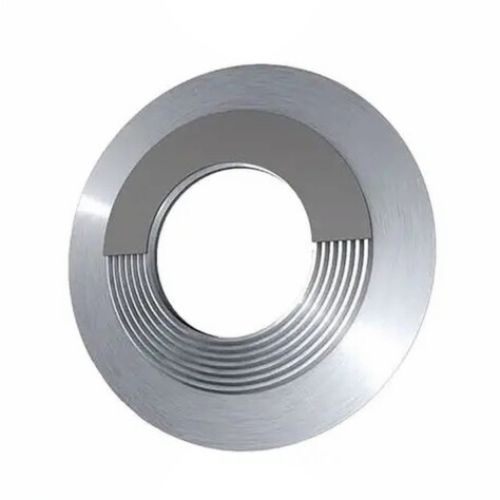

“How Do You Install Flexseal Tandem Seal Gaskets Correctly?” Ask any maintenance manager standing on a shipyard quay at two in the morning and you will get a story instead of a procedure. A tandem seal forced onto a scored shaft, a gasket wiped with the wrong grease, a bolt tightened “by feel” because the torque wrench was locked in the tool crib — six weeks later the same pump is back on the bench with washout grooves and a dripping stuffing box. The gasket is usually the cheapest part in the whole assembly, and it is almost always the first one blamed. It is also the one part that cannot be corrected once the unit has run for forty hours under pressure. Correct installation is not about strength or speed; it is about clean surfaces, measured compression, controlled torque and honest material compatibility. Get those four things right and a tandem seal will sit quietly for years. Get one of them wrong and no amount of re-torquing will save the job. In this guide, Ningbo Kaxite Sealing Materials Co., Ltd. turns twenty years of field feedback into a practical, step-by-step procedure with real parameters, real failure patterns and straight answers to the questions procurement teams send us every week — so your next Flexseal tandem seal job passes the first pressure test and the tenth.
In this guide
1. Why Flexseal Tandem Seal Gaskets Fail After Installation
2. Preparation: The Ten Minutes That Decide the Job
3. Step-by-Step Installation Procedure
4. Torque, Compression and Surface Parameters
5. Choosing the Right Gasket Material for Your Service
6. Two Questions Buyers Ask Before Every Order
The scene repeats itself in almost every plant we visit. A maintenance crew replaces a tandem seal gasket during a planned shutdown, the unit runs clean for a week, then a thin film of process fluid appears under the seal housing. Someone tops up the bolts, the leak slows, and everyone moves on — until the next shutdown, when the shaft is found pitted and the housing face is scored. Nine times out of ten the root cause is not the gasket itself but a detail from the installation day: a surface that was wiped but not cleaned, a gasket stored in sunlight and taken out of its bag with a permanent set, a torque pattern that squeezed one side before the other, or a grease that swelled the elastomer before it ever saw process media.
The solution is unglamorous and it works. Treat the gasket as an engineered component, not a consumable O-ring. Verify the groove, verify the clearance, verify the chemistry, and tighten in three documented passes. Ningbo Kaxite Sealing Materials Co., Ltd. supplies Flexseal tandem seal gaskets together with a written installation data sheet so that the crew in the field is working from numbers instead of habit.
| Symptom After Startup | Most Likely Cause | Corrective Action |
|---|---|---|
| Slow weep at housing face | Under-compression, uneven bolt load | Re-torque in three passes to specified value |
| Extruded or nibbled gasket edge | Groove clearance too large, hardness too low | Check groove dimensions, upgrade to 85–90 Shore A |
| Leak within 24 hours | Scratched sealing face, debris, cut during fitting | Inspect surface finish, replace gasket, re-clean groove |
| Swollen or softened gasket | Wrong elastomer for the medium | Switch to FKM, PTFE or graphite-grade material |
Most installers lose the job before the gasket reaches the shaft. The scene is familiar: the shutdown clock is running, the gasket bag is opened on a dirty bench, the groove is wiped once with a shop rag, and the seal is slid on dry. Ten minutes of disciplined preparation removes every one of those risks. Lay out a clean lint-free mat. Bring the gasket to room temperature in its original packaging — never warm it with a heat gun or leave it on a radiator. Check the part number against the drawing and confirm the material grade, because two gaskets that look identical can differ by ten points of hardness.
Then inspect the hardware. Run a fingernail around the shaft and the groove: any burr you can feel will cut the gasket lip within hours. Measure the groove width and depth and compare them with the seal drawing. Wipe the sealing faces with a compatible solvent and let them flash off — a solvent-wet surface traps vapour and produces a false leak at first pressure test. Finally, check the gasket itself for nicks, mould lines across the sealing lip and flat spots from storage. If the part has taken a set, do not force it; a deformed gasket will never recover its compression profile.
| Checkpoint | Accept | Reject |
|---|---|---|
| Gasket storage | Sealed bag, dark, 15–25 °C | Sunlight, ozone, hanging on a hook |
| Seal face | No burr under fingernail test | Visible scratch, rust, old gasket residue |
| Groove cleanliness | Dry, solvent-flashed, lint free | Oil film, metal chips, rag fibres |
| Gasket condition | Round cross-section, no flat spots | Permanent set, nicks on lip, mould flash |
With the hardware clean and verified, the installation itself takes less than half an hour. The sequence below is the one our engineers recommend for Flexseal tandem seal gaskets in both pump and valve service, and it matches the guidance in our published installation sheet.
Step 1 — Lubricate sparingly. Apply a thin film of compatible lubricant to the gasket and the groove, never to the sealing lip of a lip-type seal. Silicone grease is safe for most NBR and EPDM grades; petroleum jelly is not, because it can swell EPDM.
Step 2 — Seat the gasket squarely. Place the gasket into the groove by hand and press it down evenly with a blunt plastic tool. Never roll it into place with a screwdriver or a steel pick; a single nick on the sealing surface becomes a leak path at pressure.
Step 3 — Align the tandem assembly. Slide the housing on with the shaft centred, checking that the gasket does not twist or roll out of its groove. If resistance appears, stop and investigate — force is the enemy of elastomeric seals.
Step 4 — Tighten in three passes. Bring the bolts down to 30 percent of the final torque in a star or cross pattern, then 60 percent, then 100 percent. A single-pass tightening tilts the housing and compresses one side of the gasket twice as hard as the other.
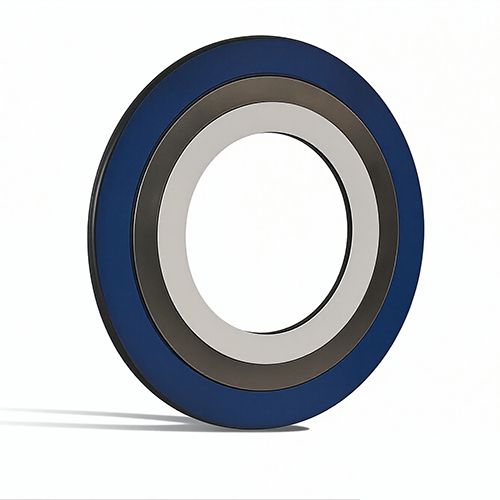
Step 5 — Verify and document. Run a leak test at operating pressure before the unit is handed back, record the torque value and the gasket batch number, and photograph the housing joint. When the same seal is serviced next time, that record tells the next crew exactly what worked.
The complaint we hear most often from buyers is that installation “works in the workshop but not in the field.” The gap is usually the absence of numbers. Without a specified surface finish, a specified compression ratio and a specified torque sequence, every crew invents its own standard. The table below summarises the values Ningbo Kaxite Sealing Materials Co., Ltd. recommends as a starting point; always confirm against the equipment maker’s drawing, because groove geometry outranks any general recommendation.
| Parameter | Recommended Value | Field Note |
|---|---|---|
| Sealing face roughness (Ra) | 0.4 – 0.8 µm | Too smooth causes adhesion, too rough causes leakage |
| Compression ratio | 15 – 25 % | Static joints at the lower end, dynamic at the higher end |
| Bolt torque sequence | 30 % / 60 % / 100 %, cross pattern | Re-check after the first thermal cycle |
| Hardness | 70 – 90 Shore A | Higher hardness for high-pressure, wide-clearance grooves |
| Temperature range, NBR | −30 to +100 °C | General oils and water |
| Temperature range, EPDM | −40 to +120 °C | Steam, water, glycol; not for mineral oil |
| Temperature range, FKM | −20 to +200 °C | Hydrocarbons, solvents, aggressive chemicals |
Procurement teams frequently inherit a part number and never question the compound behind it. That is how an EPDM gasket ends up in a mineral-oil circuit and swells into a jelly within a shift. The scene is predictable: the seal fails, the store room issues the same part again, and the cycle repeats until someone asks why. The fix is a short material review before the order is placed — medium, temperature, pressure and cleaning chemicals, all checked against the compound data sheet. Ningbo Kaxite Sealing Materials Co., Ltd. keeps NBR, EPDM, FKM, silicone and PTFE-based grades in stock for Flexseal tandem seal gaskets and will confirm compatibility against your medium before shipment, which removes the guesswork from the purchasing decision.
Two extra details matter as much as the compound. First, hardness: a 70 Shore A gasket in a wide groove will extrude long before an 85 Shore A part will. Second, ageing: if the equipment sits idle for months between campaigns, specify a grade with low compression set so the gasket does not take a permanent flat when the housing is stored under load.
Q1: Can I reuse Flexseal tandem seal gaskets after a shutdown?
Treat a used gasket as a used part. Once an elastomer has been compressed and heated, it keeps a permanent set, and reinstalling it reduces the compression available for sealing. In low-pressure water service a second use may hold for a short period, but in solvent, steam or hydrocarbon duty the risk is not worth the price of the part. Keep a spare set in stock and replace on every opening.
Q2: Why does a new gasket leak at the first pressure test when the old one did not?
Almost always one of three causes: the sealing face was cleaned but not dried, the housing was tightened in a single pass so the load is uneven, or the gasket was stored in a hot store room and arrived with a flat spot. Re-check the torque sequence first, then the surface finish, then the batch condition. A written installation sheet prevents the same conversation next time, and every Kaxite shipment includes one.
Q3: What lubricant should be used when fitting the gasket?
Use only a lubricant confirmed compatible with the elastomer. Silicone grease suits most NBR and EPDM parts, while FKM is better served by a fluorinated lubricant. Never use a general-purpose workshop grease on an EPDM gasket, and never apply lubricant to a lip seal’s sealing edge.
Q4: How do I know the torque is correct without the OEM drawing?
Start from the bolt size and the housing material, not from habit. As a working rule, tighten in three passes and verify that the housing gap is even around the full circumference with a feeler gauge. If the gap varies by more than 0.05 mm, the load is uneven and the gasket is being compressed on one side only. Confirm the final figure with the equipment maker before production starts.
Q5: How should the gaskets be stored before installation?
Keep them in the original sealed bag, away from sunlight, ozone sources such as electric motors, and temperatures above 30 °C. Rotate stock so the oldest batch is used first, and never hang gaskets on hooks — a stretched gasket will not seat correctly.
Ningbo Kaxite Sealing Materials Co., Ltd. is a specialist manufacturer of sealing components for pumps, valves, heat exchangers and rotating equipment, producing Flexseal tandem seal gaskets, spiral wound gaskets, PTFE and graphite seals, and custom elastomer parts in NBR, EPDM, FKM and silicone. Our engineers work directly with maintenance and procurement teams to match material grade, hardness and groove dimensions to the actual service conditions, and every order ships with dimensional inspection records and installation guidance so that field crews install the part correctly the first time. If you are unsure which grade suits your medium, send us the operating temperature, pressure and chemical list and we will confirm the right specification before the order is placed. Contact our team at [email protected] or visit https://www.metal-gaskets.com to review the full product range and request a quotation.
Müller, H., & Petrov, D. (2019). Failure analysis of tandem mechanical seal gaskets in centrifugal pumps. Sealing Technology, 2019(7), 8–14.
Zhang, Y., Liu, J., & Wang, X. (2021). Effect of compression ratio on leakage performance of elastomeric gaskets. Journal of Tribology, 143(4), 041701.
Tanaka, K., Sato, M., & Ishikawa, R. (2018). Thermal ageing of FKM and EPDM seals in hydrocarbon service. Polymer Degradation and Stability, 155, 112–121.
Okafor, C., & Adeyemi, T. (2020). Torque retention in bolted flange joints with spiral wound gaskets. International Journal of Pressure Vessels and Piping, 182, 104078.
Chen, L., & Zhu, H. (2022). Leakage prediction model for tandem seal assemblies under cyclic loading. Tribology International, 173, 107654.
Nogueira, R., Almeida, F., & Costa, P. (2017). Surface finish requirements for elastomeric seal grooves. Wear, 376–377, 1180–1189.
Kumar, S., & Raj, P. (2023). Cross-link density and compression set in NBR gaskets. Polymer Testing, 117, 107832.
Anderson, J. R. (2016). Installation-induced damage in O-rings and gaskets: a field study. Journal of Failure Analysis and Prevention, 16(5), 781–790.
Wang, Q., & Li, M. (2024). Lifecycle cost analysis of pump sealing upgrades in chemical plants. Engineering Failure Analysis, 158, 108021.
Bergström, A., & Lindqvist, E. (2020). Chemical compatibility mapping of elastomeric seals for process industry media. Journal of Elastomers and Plastics, 52(6), 512–529.