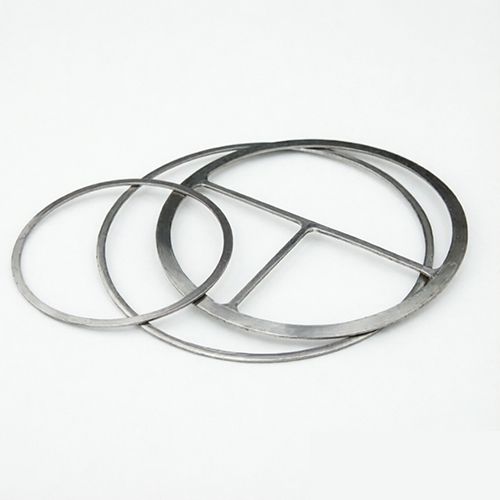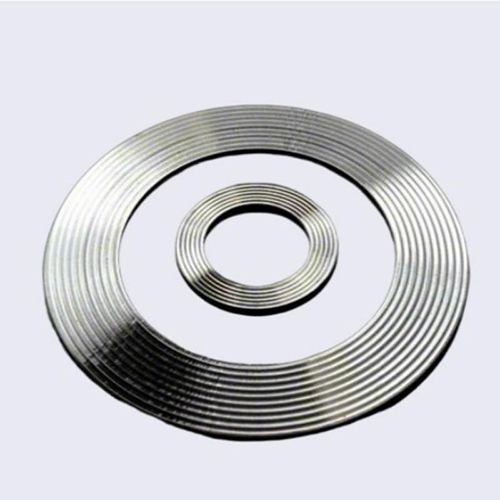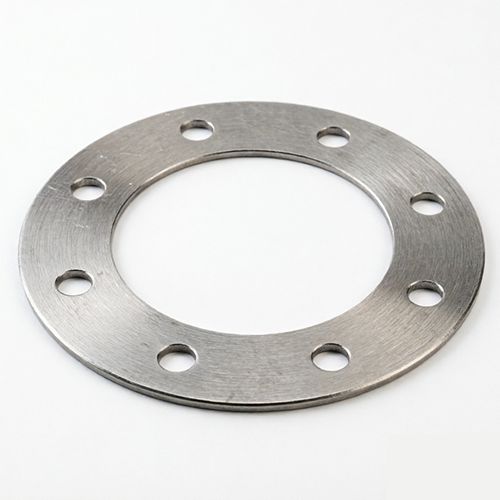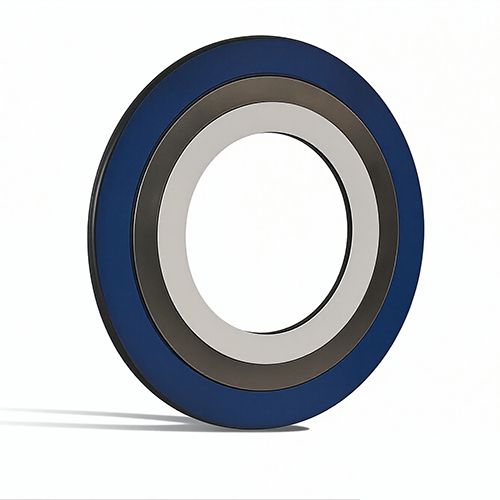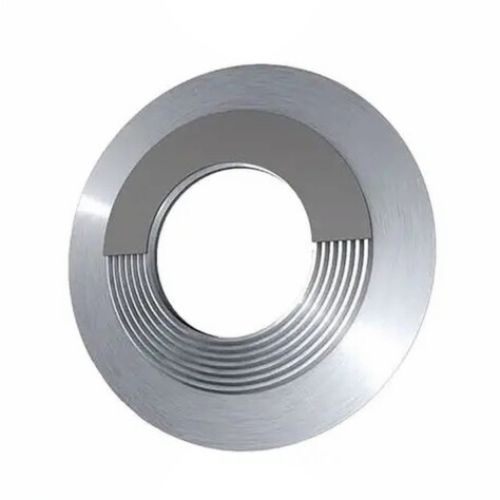

At 7:40 a.m. on a Monday, a procurement engineer at an EPC contractor opens a message marked urgent: a refinery turnaround is 16 days away, the flange drawing calls for a 24-inch Class 900 spiral wound gasket, and the approved vendor list requires full traceability. The question is simple but expensive if answered late: What Are Spiral Wound Metal Gaskets, and why does the specification list so many details? A spiral wound metal gasket is a semi-metallic sealing product built from a V-shaped metal strip and a soft filler wound together into a precise spiral, usually with an outer centering ring and sometimes an inner compression ring. The metal winding carries pressure and recovery; the filler controls leakage; the rings keep the gasket centered and protect the windings. In a bolted flange joint, that combination must survive bolt load, thermal cycling, vibration, and aggressive media without crushing or relaxing. Buyers do not simply order a size. They match winding material, filler, ring material, thickness, and dimensional standard to the flange, media, temperature, and pressure class. One wrong substitution can turn a low-cost item into a shutdown delay. Ningbo Kaxite Sealing Materials Co., Ltd. helps procurement teams close that gap with application review, clear drawings, material certificates, and production control that keep specification and delivery aligned. The sections below explain what to check before you approve a purchase order, with practical parameters you can use in RFQs and bid comparisons.
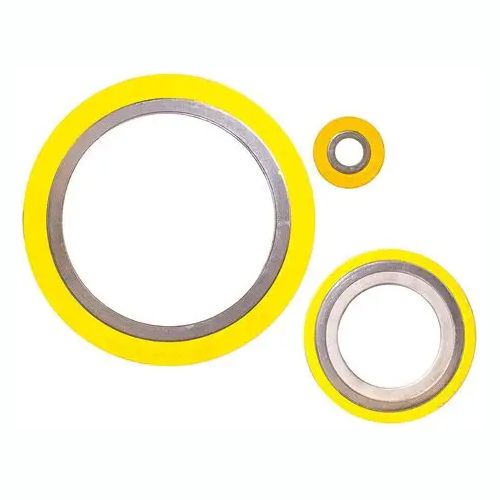
The scene is familiar: a maintenance planner sends a photo of a leaking flange, the warehouse has a mixed box of old gaskets, and the buyer must confirm a replacement before the line restarts. The risk is not only the price of the gasket. The real risk is a wrong inner ring, a filler that cannot handle the temperature, or a thickness that does not match the flange facing. For a procurement team, the fastest way to control that risk is to treat the gasket as an engineered component, not a hardware item.
The fix is a short technical review before quotation. Confirm the dimensional standard, pressure class, flange facing, media, operating temperature, bolt load, and certificate requirement. Ningbo Kaxite Sealing Materials Co., Ltd. supports this review by checking the winding material, filler, ring material, and thickness against the service conditions, then matching the drawing to the production route. That simple step prevents most rush-order surprises and gives buyers a clear basis for comparing suppliers.
| Parameter | What the Buyer Checks | Practical Target |
|---|---|---|
| Construction | Metal winding, filler, inner ring, outer ring | Continuous V-shaped winding with no loose filler |
| Dimensional standard | ASME B16.20, API 601, EN 1514, or project drawing | Fit the flange facing and bolt circle |
| Winding material | SS304, SS316L, SS321, Monel, Hastelloy | Match media and temperature |
| Filler | Graphite, PTFE, ceramic, or non-asbestos fiber | Match chemical and thermal limits |
| Ring material | Carbon steel outer ring, stainless steel inner ring | Centering plus compression support |
| Thickness | 3.2 mm, 4.5 mm, or specified value | Confirm bolt load and flange facing |
The scene: three suppliers quote the same line item, but one offers SS316L winding with graphite filler, another offers SS304 with PTFE, and a third cannot confirm the outer ring material. The prices look close, yet the offers are not the same product. A buyer who compares only unit price may approve a gasket that fails at the first thermal cycle or is rejected at the receiving inspection because the certificate does not match the heat number.
The solution is a bid comparison sheet built around function. Ask each supplier to state the winding, filler, ring, thickness, standard, certificate, marking, and packing. Ningbo Kaxite Sealing Materials Co., Ltd. uses this approach to turn a vague inquiry into a controlled order, so the buyer can see what is being supplied and the maintenance team can install it with confidence. Clear data also reduces back-and-forth after the purchase order is issued.
| Procurement Pain | Hidden Risk | Practical Fix |
|---|---|---|
| Filler substituted without approval | Leakage or chemical attack | Require media and temperature review |
| No mill certificate or heat traceability | Rejected at receiving inspection | Request EN 10204 3.1 and heat numbers |
| Drawing not confirmed | Wrong dimensions and delay | Approve a dimensional sketch before production |
| Mixed sizes in one carton | Wrong installation at site | Require labeled packing by flange line |
| Unclear pressure class | Under-designed gasket | Match class, facing, and bolt load |
The scene: a buyer receives a request for “stainless steel gasket, graphite filler” with no temperature or media data. The phrase sounds complete, but it leaves out the critical variables. Steam service, hot oil, dilute acid, and cryogenic gas do not place the same demands on the winding or filler. A gasket that works in one line may relax, oxidize, or crush in another.
The solution is to screen the service conditions before choosing the construction. Graphite filler is common for high-temperature and steam service, while PTFE filler is often selected for chemical resistance at lower temperatures. SS316L winding is a frequent choice for corrosion resistance, and alloy windings may be needed for more aggressive media. Ningbo Kaxite Sealing Materials Co., Ltd. reviews these inputs with the buyer and documents the selected combination so that the quotation, certificate, and delivered product remain consistent.
| Service Condition | Typical Winding | Typical Filler | Buyer Check |
|---|---|---|---|
| Steam and hot oil | SS316L or SS321 | Graphite | Temperature and oxidation resistance |
| Chemical lines | SS316L or alloy | PTFE | pH, concentration, and temperature |
| Cryogenic service | SS304 or SS316L | PTFE | Low-temperature sealing behavior |
| High-temperature flanges | SS321 or alloy | Graphite | Creep and bolt load retention |
| Seawater or coastal air | SS316L | Graphite or PTFE | Chloride exposure and ring material |
The scene: the maintenance team opens a box and finds a gasket that fits the bolt circle but not the raised face. The outer ring is correct, yet the inner ring protrudes too far, or the thickness does not match the groove. The shutdown clock is running, and the buyer must choose between forcing the joint and waiting for a replacement. Most of these problems begin with a dimensional detail that was never confirmed on the drawing.
The solution is to verify style, inner ring, outer ring, thickness, and tolerance against the flange drawing. Style CG and CGI gaskets are common in raised-face and high-pressure joints, while confined styles require a closer check of the groove and compression stop. Ningbo Kaxite Sealing Materials Co., Ltd. can review the flange schedule and confirm the gasket geometry before production, reducing the chance of a site fit issue.
| Feature | Buyer Check | Why It Matters |
|---|---|---|
| Outer ring | Outside diameter and centering fit | Keeps the gasket aligned with the flange |
| Inner ring | Inside diameter and thickness | Supports winding and limits compression |
| Gasket thickness | 3.2 mm, 4.5 mm, or drawing value | Affects bolt load and seating stress |
| Flange facing | Raised face, flat face, groove, or tongue | Determines the correct gasket style |
| Pressure class | Class 150 through high-pressure classes | Matches dimensional standard and load |
| Marking | Size, class, material, standard | Supports inspection and correct installation |
The scene: the gasket arrives on site, but the receiving inspector cannot link the material certificate to the delivered lot. The box is labeled correctly, but the heat number on the certificate does not match the marking. The shipment may be correct, yet the documentation gap can hold up acceptance and push the installation schedule. Procurement teams feel this pain because the cost of a missing document often exceeds the cost of the gasket.
The solution is to define the document package in the RFQ and check it before shipment. Ask for mill certificates, dimensional records, visual inspection notes, marking details, and packing lists. For critical service, request PMI or alloy verification when needed. Ningbo Kaxite Sealing Materials Co., Ltd. treats documentation as part of the product, helping buyers receive a gasket package that can move through inspection without avoidable delays.
| Document or Check | What to Verify | Buyer Benefit |
|---|---|---|
| EN 10204 3.1 certificate | Heat number and material grade | Traceability for project records |
| PMI report | Alloy identity of winding and ring | Confirms no material substitution |
| Dimensional report | ID, OD, thickness, and ring fit | Reduces site fit problems |
| Visual inspection | Winding tightness, filler condition, ring finish | Catches defects before shipment |
| Marking check | Size, class, material, and standard | Supports correct installation |
| Packing list | Line item, quantity, and label | Speeds receiving and storage |
The scene: a new gasket is installed, the flange is tightened by feel, and the joint leaks at start-up. The buyer is asked why the gasket failed, but the root cause is often the installation. Dirty flange faces, uneven bolt load, wrong lubricant, or a missing washer can prevent the winding from seating correctly. The gasket may have been correct; the joint was not.
The solution is a simple installation check before torque is applied. Clean the flange faces, inspect for grooves and rust, confirm gasket alignment, use the specified lubricant, and tighten in a star pattern to the calculated torque. After the first thermal cycle, re-torque if the procedure requires it. Ningbo Kaxite Sealing Materials Co., Ltd. can supply handling guidance and packing labels that help site teams match the right gasket to the right flange line.
| Installation Step | Check | Practical Target |
|---|---|---|
| Flange face | Clean, dry, and free of deep grooves | Full contact with the gasket |
| Gasket alignment | Outer ring centered; inner ring clear | No winding overhang |
| Bolt lubricant | Known friction factor | Consistent torque conversion |
| Tightening pattern | Star sequence in stages | Even compression around the flange |
| Torque value | Calculated from bolt and gasket data | No guesswork or impact tightening |
| Re-torque | After start-up and thermal cycle | Recover bolt load if required |
Q: What Are Spiral Wound Metal Gaskets used for?
A: They are used in bolted flange joints where pressure, temperature, and leakage control matter. Common applications include refineries, petrochemical plants, power generation, steam lines, heat exchangers, and process piping. The metal winding provides strength and recovery, while the filler supports sealing.
Q: How do I choose the filler?
A: Start with media, operating temperature, and pressure. Graphite is often selected for steam and high-temperature service, while PTFE is common for chemical resistance at lower temperatures. The final choice should be confirmed against the full service conditions, not only the line fluid name.
Q: Can Ningbo Kaxite Sealing Materials Co., Ltd. supply certificates with the order?
A: Yes. Certificate requirements should be stated in the RFQ. Buyers commonly request EN 10204 3.1 mill certificates, dimensional reports, marking details, and packing lists. For critical projects, additional inspection or PMI can be discussed before production.
Q: What Are Spiral Wound Metal Gaskets, and how are they different from sheet gaskets?
A: A spiral wound gasket combines a metal winding with a soft filler, so it offers higher strength and recovery than a simple sheet gasket. Sheet gaskets are often used in lower-pressure, lower-temperature, or less demanding service. The flange class, media, and temperature decide which type is appropriate.
Q: What is the difference between the inner ring and the outer ring?
A: The outer ring centers the gasket on the bolt circle and helps control compression. The inner ring supports the winding inside the flange bore and can limit inward buckling. Not every style uses both rings, so the flange drawing and gasket standard must be checked together.
Q: How can a buyer reduce the risk of leakage after installation?
A: Confirm the gasket specification, protect the gasket during storage, clean the flange faces, align the rings correctly, use the specified lubricant, and tighten in a controlled star pattern. A correct gasket can still leak if the flange faces or bolt load are not controlled.
Ningbo Kaxite Sealing Materials Co., Ltd. supports procurement teams who need more than a catalog item. The company combines application review, drawing confirmation, material traceability, and export packing for spiral wound metal gaskets, sheet gaskets, and sealing components. If your flange schedule is tight and the specification is detailed, send the flange drawing, media, pressure class, temperature, and required certificate to [email protected], or visit https://www.metal-gaskets.com to review product data. Kaxite can help turn a confusing gasket line item into a clear, inspectable purchase order before the shutdown clock runs down.
Abid, M., & Nash, D. H. (2003). Comparative study of the behaviour of conventional gasketed and compact non-gasketed flanged pipe joints under bolt up and operating conditions. International Journal of Pressure Vessels and Piping, 80(12), 831–841.
Bouzid, A.-H., & Nechache, A. (2005). The effect of gasket creep-relaxation on the leakage performance of bolted flange joints. Journal of Pressure Vessel Technology, 127(3), 299–305.
Nechache, A., & Bouzid, A.-H. (2007). Creep analysis of bolted flange joints. International Journal of Pressure Vessels and Piping, 84(3), 185–194.
Diany, M., & Bouzid, A.-H. (2009). Evaluation of contact stress in bolted flange joints using spiral wound gaskets. Journal of Pressure Vessel Technology, 131(5), 051202.
Sawa, T., & Higuchi, R. (2008). Sealing performance of spiral wound gaskets in bolted flange joints. Journal of Pressure Vessel Technology, 130(2), 021201.
Kobayashi, T., & Hamano, S. (2010). Leakage characteristics of spiral wound gaskets under high temperature. Sealing Technology, 2010(4), 8–12.
Nakashima, T., & Kumano, H. (2012). Effect of gasket geometry on sealing performance of spiral wound gaskets. International Journal of Pressure Vessels and Piping, 98, 1–8.
Takagi, Y., & Torii, H. (2011). Thermal cycling performance of spiral wound gaskets for refinery service. Sealing Technology, 2011(7), 7–11.
Fukuoka, T., & Takaki, T. (2003). Finite element analysis of bolted flange joints under thermal loading. Journal of Pressure Vessel Technology, 125(3), 297–303.
Van Campen, D. H., & De Klerk, B. (2013). Inspection and qualification of spiral wound gaskets for high-pressure service. Journal of Pressure Vessel Technology, 135(4), 041203.
-