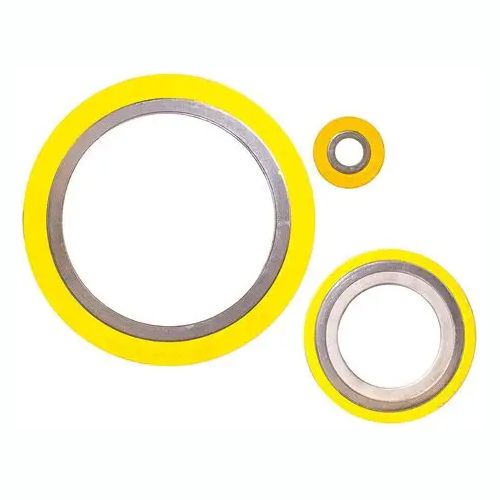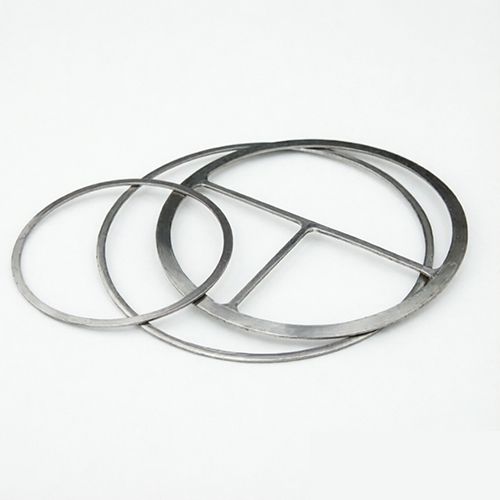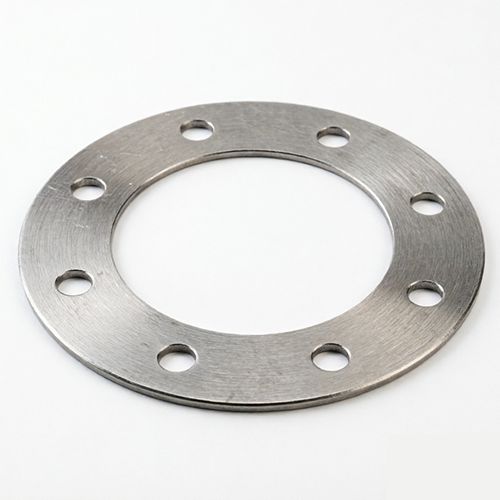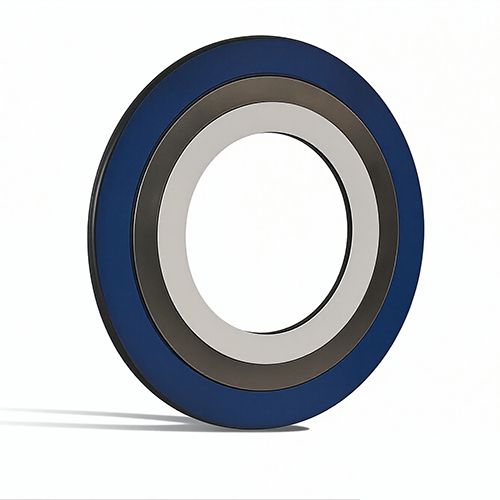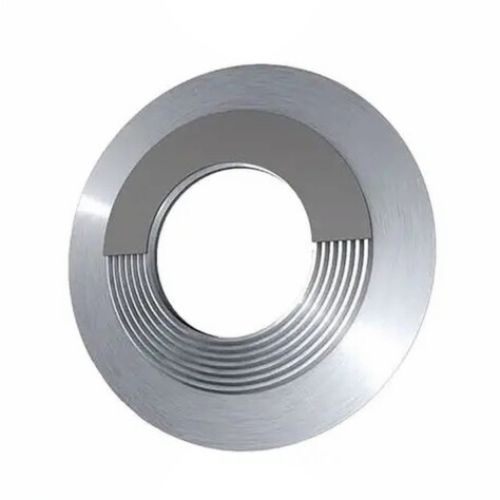

When a maintenance team discovers a leaking flange on a Friday afternoon, the purchasing officer rarely has time for a chemistry lesson. The urgent question is simple: What materials are Corrugated Metal Gaskets made from, and which grade will restore a reliable seal without creating a new compatibility problem? Corrugated metal gaskets are typically produced from stainless steel, carbon steel, copper, brass, nickel alloys, and specialty grades such as Monel, Inconel, Hastelloy, and titanium; the corrugations create controlled line contact, while the metal core carries pressure and temperature loads. The right material depends on fluid chemistry, operating temperature, flange finish, bolt load, and maintenance interval. A gasket that is too soft may crush; one that is too hard may fail to conform. Buyers also need to compare graphite or PTFE facings, coating options, and dimensional standards. This guide translates those variables into practical selection steps, material tables, and question-and-answer guidance for procurement teams. It also shows how Ningbo Kaxite Sealing Materials Co., Ltd. supports buyers with material matching, dimensional review, and production consistency for corrugated metal gaskets. For a fast, audit-ready purchase, start with the application data, not with a catalog page.
In this purchasing guide
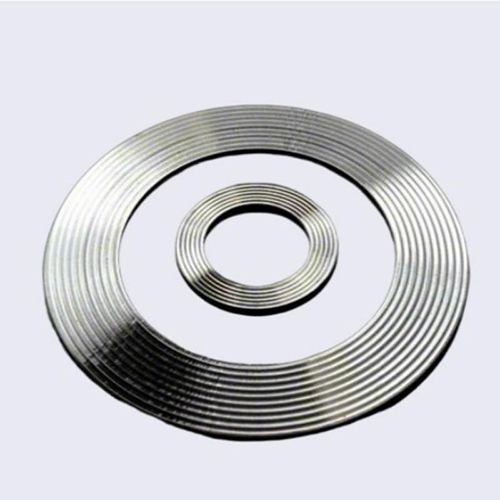
A plant engineer sees a weep at a heat-exchanger flange after a short shutdown. The maintenance crew has the correct bolt torque, the flange faces look clean, and the gasket dimensions fit the groove. The hidden variable is often material behavior: thermal expansion, chemical attack, creep relaxation, and the ability of the corrugations to conform under limited bolt load. For a buyer, this is the moment when a low-cost substitution becomes expensive. A gasket that works in dry steam may fail in a caustic wash cycle; a grade that seals well at ambient temperature may relax under thermal cycling. Procurement teams need a concise way to connect the process data sheet to the gasket construction.
The solution is to treat material selection as a sealing-envelope decision rather than a catalog lookup. First confirm media, concentration, temperature range, pressure class, flange material, surface finish, bolt size, and whether the joint will see thermal cycling or vibration. Then separate the gasket into core metal, facing or coating, and dimensional standard. This approach makes quotes comparable and reduces the risk of approving a gasket that is metallurgically suitable but mechanically wrong. Ningbo Kaxite Sealing Materials Co., Ltd. uses this same application-first review when buyers ask What materials are corrugated metal gaskets made from for a specific line.
| Selection parameter | Question for the buyer | Why it matters |
|---|---|---|
| Media and concentration | What fluid touches the gasket, and at what concentration? | Determines corrosion resistance and whether a facing is needed. |
| Temperature range | What are normal, startup, and upset temperatures? | Controls creep, oxidation, and facing stability. |
| Pressure class | What flange class and design pressure apply? | Sets core thickness, corrugation depth, and bolt-load demand. |
| Flange finish | Is the surface smooth or serrated, and what Ra value is specified? | Affects conformability and contact sealing. |
| Maintenance cycle | Will the joint be opened frequently or remain sealed for years? | Influences material durability and replacement strategy. |
A purchasing team receives three quotations for the same flange size, but the core metals are different. One supplier offers 304 stainless steel, another suggests 316L, and a third quotes copper. Without a material map, the buyer cannot tell whether the difference is a cost-saving alternative or a reliability risk. This is a common pain point in MRO and project procurement: the line item looks identical, but the metallurgy changes the sealing outcome. Corrugated metal gaskets rely on the core metal for strength, spring-back, and corrosion resistance, so the grade should be traceable to the process conditions.
The practical solution is to compare core metals by corrosion resistance, temperature capability, conductivity, and cost. Stainless steel grades are common for steam, water, oils, and many general chemical services. Carbon steel can be cost-effective for non-corrosive hydrocarbon service but needs coating protection. Copper and brass offer good conformability and thermal conductivity but are sensitive to ammonia and certain chemicals. Nickel alloys and titanium are selected for aggressive media, high temperature, or seawater exposure. The table below gives buyers a starting point, not a final approval; always confirm with the process engineer and a material compatibility reference.
| Core metal | Typical grade | Temperature and corrosion profile | Common service | Buyer note |
|---|---|---|---|---|
| Stainless steel | 304, 304L, 316L | Good general corrosion resistance; 316L better for chlorides | Steam, water, oils, mild chemicals | Confirm chloride level and intergranular corrosion risk. |
| Carbon steel | CS | Moderate temperature; poor corrosion resistance without coating | Non-corrosive hydrocarbons, dry gas | Check coating compatibility and storage conditions. |
| Copper | C11000 | Excellent thermal conductivity; limited chemical resistance | Heat exchangers, steam, some oils | Avoid ammonia and oxidizing acids. |
| Brass | C26000 | Good machinability and conformability | Low-pressure water and air | Verify dezincification risk in aggressive water. |
| Nickel alloys | Monel 400, Inconel 600, Hastelloy C276 | High temperature and aggressive chemical resistance | Seawater, acids, high-temperature process lines | Higher cost; require mill certificates and grade traceability. |
| Titanium | Grade 2 | Excellent seawater and oxidizing-media resistance | Marine, chlor-alkali, chemical processing | Confirm galvanic compatibility with flange material. |
A maintenance planner replaces a metal gasket on a low-bolt-load flange and still sees a small leak. The core metal is correct, but the joint lacks conformability because the flange finish is rough and the available bolt load is limited. This is where facings and coatings matter. A bare corrugated metal gasket can perform well on rigid, well-machined flanges, but many real joints benefit from a graphite or PTFE facing, a soft metal coating, or a controlled surface treatment. The pain point for buyers is that these options are often hidden in a supplier’s description, so quotations may not be directly comparable.
The solution is to specify the sealing function of the facing, not just its name. Graphite facings improve high-temperature sealing and conformability. PTFE facings support chemical resistance at lower temperatures. Silver or nickel coatings can reduce galling and improve contact behavior in specific services. Ceramic or specialty coatings may be used for wear or electrical isolation, but they must be evaluated for thermal cycling and chemical compatibility. When a buyer asks What materials are corrugated metal gaskets made from, the complete answer should include both the core and the facing system.
| Facing or treatment | Temperature direction | Chemical direction | Best-fit situation | Watch point |
|---|---|---|---|---|
| Graphite facing | High temperature | Broad chemical resistance | Steam, hydrocarbons, thermal cycling | Confirm oxidation limits and binder system. |
| PTFE facing | Lower temperature | Strong acid and caustic resistance | Chemical lines, low bolt load | Check creep and cold-flow behavior. |
| Silver coating | Moderate to high | Good for many process media | Galling reduction and contact improvement | Cost and galvanic effects. |
| Nickel coating | Moderate to high | Corrosion and wear resistance | High-pressure joints and repeated assembly | Verify coating thickness and adhesion. |
| Uncoated metal | Depends on core | Depends on core | Smooth flange, high bolt load, clean service | Surface finish and flatness become critical. |
A refinery buyer needs a replacement gasket for a line that alternates between hydrocarbon service and steam cleaning. The original gasket was stainless steel, but the maintenance team reports occasional weeping after steam cycles. The purchasing file contains no note on facing type or bolt-load history. This scenario shows why material names alone are not enough: the same corrugated metal gasket can behave differently when the operating cycle changes. Buyers need to capture the dominant failure mode—corrosion, creep, thermal fatigue, or insufficient conformability—before choosing a replacement.
The solution is to map media and conditions to a material route, then verify the route with the flange and bolting data. For clean steam and water, 304 or 316L stainless steel with graphite facing is often considered. For seawater, titanium or high-nickel alloys may be required. For strong acids, PTFE facing or a Hastelloy core may be more appropriate. For high-temperature cyclic service, graphite facing and a stable stainless or nickel-alloy core deserve review. The table below is a procurement aid; final selection should be confirmed against the actual concentration, temperature, and standard.
| Service condition | Material route to review | Why this route is considered | Points to confirm |
|---|---|---|---|
| Clean steam and condensate | 304/316L stainless steel; graphite facing | Good general corrosion resistance and thermal sealing | Chloride level, steam purity, cycle frequency. |
| Seawater and marine air | Titanium Grade 2; Monel 400; suitable coating | Resistance to chloride attack and galvanic review | Flange material, flow velocity, crevice corrosion. |
| Hydrocarbon and oil | Carbon steel or stainless steel; graphite facing | Compatibility with non-polar media and temperature | Sulfur content, aromatic level, fire-safe requirements. |
| Strong acids and caustics | PTFE facing; Hastelloy core where needed | Chemical resistance at moderate temperature | Concentration, temperature, permeation, pressure. |
| High-temperature cycling | 316L or nickel alloy; graphite facing | Creep and oxidation control | Bolt relaxation, thermal gradient, oxidation limit. |
A procurement specialist is asked by an internal stakeholder to justify a material change on a critical flange. The quote is ready, but the approval file lacks a clear answer on composition and service fit. This is a common friction point: technical teams want performance evidence, while purchasing needs a concise, auditable explanation. The two question-and-answer groups below address the most frequent material questions heard from buyers and maintenance teams. They can be copied into a quote review or used as a checklist before releasing a purchase order.
Question 1: What materials are corrugated metal gaskets made from in standard industrial service?
Answer: Standard industrial corrugated metal gaskets are commonly made from 304 or 316L stainless steel, carbon steel, copper, brass, nickel 200, Monel 400, Inconel 600, Hastelloy C276, and titanium. Many designs also include a graphite or PTFE facing, or a metallic coating, to improve conformability, reduce galling, or extend chemical resistance. The core metal provides mechanical support and spring-back, while the facing supports sealing at the flange interface.
Question 2: What materials are corrugated metal gaskets made from when the line is corrosive or high temperature?
Answer: For corrosive or high-temperature lines, buyers should review nickel alloys, titanium, and high-purity stainless steel together with a suitable graphite facing or coating. The final choice depends on the specific acid, caustic, chloride level, operating temperature, and flange material. A material that resists the media but relaxes under thermal cycling may still leak, so the review should include bolt load, flange finish, and maintenance interval.
| Buyer question | Material route | Procurement evidence to request |
|---|---|---|
| What materials are corrugated metal gaskets made from for general service? | 304/316L stainless steel; optional graphite facing | Mill certificate, grade traceability, dimensional report. |
| What materials are corrugated metal gaskets made from for aggressive media? | Monel, Inconel, Hastelloy, titanium; PTFE or graphite facing | Material certificate, compatibility review, surface finish record. |
A warehouse receives a shipment of corrugated metal gaskets that look correct from the outside, but the paperwork lists a different heat number than the approved quote. The project schedule is tight, and the buyer must decide whether to accept, hold, or reject the lot. This is a classic procurement pain point: dimensional conformity is easy to see, while material traceability and surface condition are easy to overlook. A missing certificate or an unclear coating specification can turn a low-cost purchase into a costly rework event.
The solution is to build inspection requirements into the purchase order before the quote is approved. Require the core grade, facing type, coating thickness if applicable, dimensional standard, surface finish, marking, and certificate package. For critical service, add a first-article inspection or third-party witness. The checklist below helps buyers compare suppliers on the same basis and avoid approving a gasket that cannot be traced back to the approved material route. Ningbo Kaxite Sealing Materials Co., Ltd. supports buyers with document review and production consistency checks for these requirements.
| Check item | Requirement to define | Why it protects the buyer |
|---|---|---|
| Core metal grade | Exact grade and heat-number traceability | Prevents substitution with a lower-cost or incompatible metal. |
| Facing or coating | Type, thickness, and application method | Ensures the sealing function matches the approved design. |
| Dimensions | Standard, ID, OD, thickness, corrugation profile | Confirms fit with flange groove and bolting. |
| Surface condition | Finish, flatness, burrs, contamination control | Reduces leak paths and galling during assembly. |
| Documentation | Mill certificate, inspection report, packing list | Supports audit, warranty, and maintenance records. |
A buyer faces a rush request for a corrugated metal gasket in a nickel alloy with a graphite facing, but the internal data sheet is incomplete. The line is scheduled to restart, and every hour of delay increases cost. The buyer needs a supplier that can ask the right questions, propose a defensible material route, and keep the documentation aligned with the order. This is where a sealing materials partner becomes part of the solution rather than a catalog vendor. Clear communication on media, temperature, flange finish, and certificate requirements can prevent a second order and a second shutdown.
Ningbo Kaxite Sealing Materials Co., Ltd. works with procurement and maintenance teams to review corrugated metal gasket requirements, including core metal selection, facing options, dimensional standards, and documentation needs. The company can support buyers who are comparing stainless steel, copper, nickel alloys, and titanium routes, and can help align the quote with the application data. For teams that need a fast answer to What materials are corrugated metal gaskets made from for a specific flange, a structured technical review reduces guesswork and keeps the purchase file complete.
| Support area | Buyer benefit | Information to provide |
|---|---|---|
| Material matching | Narrows core metal and facing options before quotation | Media, concentration, temperature, pressure, flange material. |
| Dimensional review | Reduces fit risk against flange groove and standard | Drawing, standard, ID, OD, thickness, corrugation profile. |
| Documentation planning | Supports audit and incoming inspection | Certificate type, marking, packing, inspection requirements. |
| Production consistency | Helps repeat orders match the approved material route | Previous order number, approved sample, specification sheet. |
Ningbo Kaxite Sealing Materials Co., Ltd. is a sealing materials supplier focused on corrugated metal gaskets and related sealing solutions for industrial buyers. The company supports material selection, dimensional review, and production consistency for applications that require reliable sealing performance, and it works with procurement teams to keep specifications, quotations, and documentation aligned. To discuss a flange application, request a material recommendation, or compare core metal and facing options, contact [email protected] and visit https://www.metal-gaskets.com for more information.
Selected technical references
Nassar, S. A., & Alkelani, A. A. (2006). Clamp load loss due to elastic interaction and gasket creep in bolted joints. Journal of Pressure Vessel Technology, 128(3), 394–401.
Abid, M., & Nash, D. H. (2006). A parametric study of metal-to-metal contact flanges with gaskets. International Journal of Pressure Vessels and Piping, 83(1), 1–13.
Koves, W. J. (1996). Analysis of flange leakage and gasket design. Welding Research Council Bulletin, 407, 1–24.
Sawa, T., & Higurashi, N. (1998). A study on sealing performance of metal gaskets in bolted flange joints. JSME International Journal Series C, 41(3), 588–594.
Takagi, Y., & Torii, H. (2001). Leakage of bolted flange joints with metal gaskets under elevated temperature. Journal of Pressure Vessel Technology, 123(2), 197–203.
Nassar, S. A., & Yang, X. (2009). A new formulation for the effect of gasket creep-relaxation on bolt tension in bolted joints. Journal of Pressure Vessel Technology, 131(2), 021203.
Kobayashi, T., & Matsuoka, Y. (2004). Thermal effects on sealing performance of spiral wound and corrugated metal gaskets. Journal of Pressure Vessel Technology, 126(4), 443–449.
Zhu, L., & Wang, X. (2018). Effect of gasket material on sealing performance of bolted flange joints. International Journal of Pressure Vessels and Piping, 162, 1–10.
Ma, B., & Li, Y. (2020). Contact behavior and leakage prediction of corrugated metal gaskets under combined thermal and mechanical loads. Journal of Engineering Tribology, 234(6), 901–913.
Fukuoka, T., & Takaki, T. (2003). Finite element analysis of metal gasket sealing performance in bolted flange connections. Journal of Pressure Vessel Technology, 125(3), 285–292.