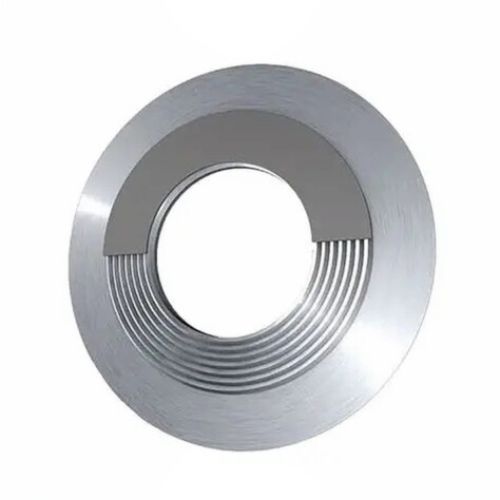

Are Corrugated Metal Gaskets suitable for corrosive environments? If you source sealing components for chemical processing plants, offshore platforms, desalination systems, or acid transfer lines, this question sits at the center of every specification decision. A failed gasket in a corrosive line is rarely a minor issue—it can trigger unplanned shutdowns, safety incidents, environmental violations, and expensive flange repairs. The short answer is yes: corrugated metal gaskets can perform exceptionally well in corrosive environments, but only when the base metal, coating, and corrugation profile are matched to the specific chemical media, temperature, and pressure conditions. Many procurement teams discover too late that a standard 304 stainless gasket loses thickness and sealing force within weeks when exposed to chlorides, sulfuric acid, or alkaline brines. At Ningbo Kaxite Sealing Materials Co., Ltd., we engineer corrugated metal gaskets from corrosion-resistant alloys such as 316L, duplex 2205, Inconel 625, and titanium, with optional PTFE, graphite, or mica facings that isolate the metal core from aggressive attack. In this guide, you will learn exactly when these gaskets work, which material combinations prevent premature failure, and how to avoid the most common specification errors that increase total cost of ownership.
Table of Contents
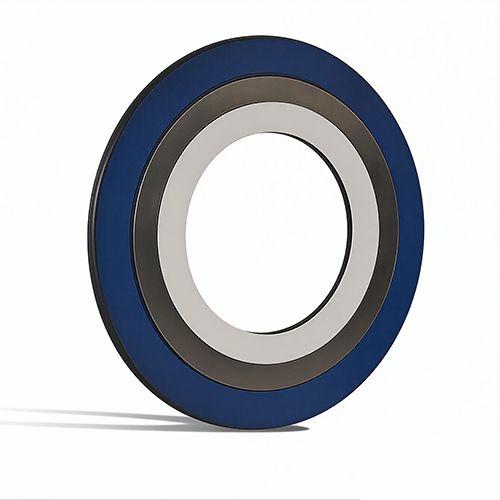
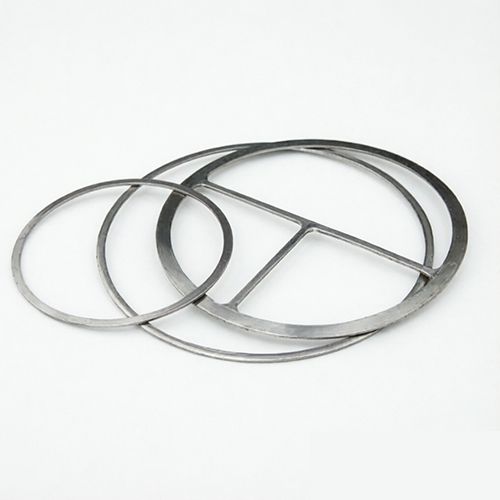
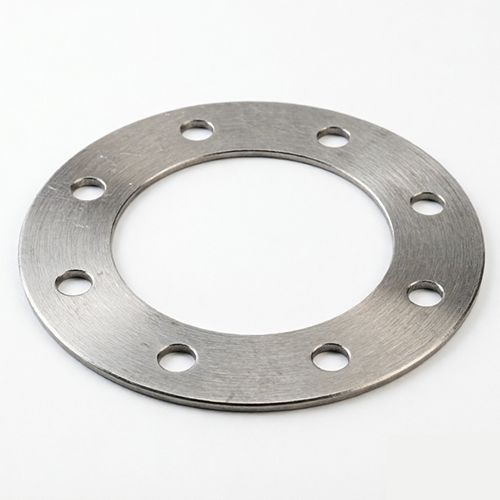
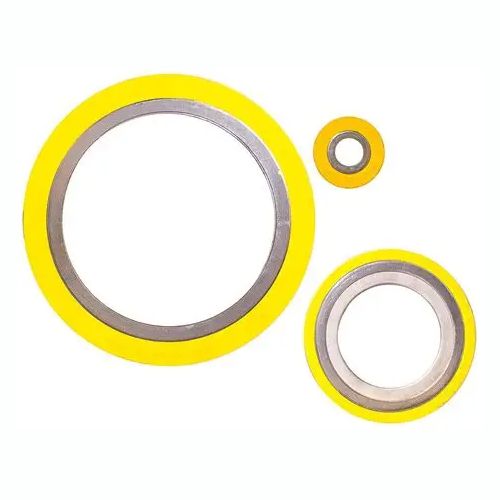
A procurement manager at a chlor-alkali plant recently shared a familiar story: he had been buying standard spiral wound gaskets for years, only to see flange faces pitted and gaskets thinned after each turnaround. The root cause was not the flange design—it was the gasket geometry and material combination. Corrugated metal gaskets differ because they use a precision-formed corrugated metal core, usually with a soft facing layer, to create a high-integrity seal at moderate to low bolt loads. The corrugated profile concentrates seating stress along controlled contact lines, allowing the gasket to conform to minor flange irregularities while maintaining recovery under thermal cycling. In corrosive service, this structure matters because the facing layer—whether PTFE, graphite, or mica—can completely encapsulate the metal core, preventing direct contact with acids, chlorides, or caustic media. At Ningbo Kaxite Sealing Materials Co., Ltd., our corrugated metal gaskets are manufactured with tight corrugation pitch control and uniform facing thickness, which improves chemical isolation and reduces the risk of localized corrosion. This makes them a practical upgrade for flanges that currently experience either low-bolt-load leakage or crevice corrosion at the gasket ID.
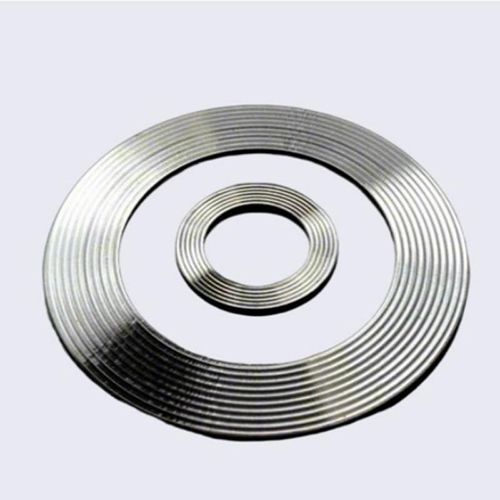
Imagine a specialty chemical manufacturer running a batch reactor with 10% sulfuric acid at 80°C. Their previous gasket, a 304 stainless spiral wound with graphite filler, showed severe metal loss after only four months. The procurement team blamed the gasket type, but the real issue was material mismatch. Corrugated metal gaskets solve this problem by allowing much greater flexibility in core material selection without changing the gasket profile. For acidic oxidizing environments, a 316L or titanium core with a PTFE envelope resists attack and maintains seal integrity. For high-temperature alkaline media, a graphite-faced Inconel 625 core offers both corrosion resistance and thermal stability. At Ningbo Kaxite Sealing Materials Co., Ltd., we help buyers match the core alloy and facing material to the exact chemical exposure, reducing guesswork and avoiding costly trial orders. The table in the next section summarizes the most important parameters, but the key lesson is simple: material compatibility is the fastest, most effective lever you can pull when answering the question—are corrugated metal gaskets suitable for corrosive environments?
When a gasket fails in corrosive service, the failure usually traces back to one of five parameters: base metal, facing material, temperature range, pH range, or required seating stress. Procurement engineers often focus only on size and pressure class, leaving the chemical compatibility to chance. That leads to pitting, crevice corrosion, stress corrosion cracking, or rapid thinning. The following table provides a practical reference for specifying corrugated metal gaskets in aggressive media. Use it as a starting point, but always confirm with your gasket manufacturer based on actual fluid composition and operating temperature.
| Parameter | Common Failure Mode | Recommended Kaxite Option |
|---|---|---|
| Base metal | Pitting, crevice corrosion, stress cracking | 316L, duplex 2205, Inconel 625, titanium |
| Facing/coating | Chemical attack, delamination, shrinkage | PTFE film, flexible graphite, mica |
| Temperature range | Thermal degradation, loss of recovery | -200°C to +1000°C depending on facing |
| pH range | Rapid metal loss, hydrogen embrittlement | 0–14 with matched alloy and facing |
| Seating stress | Leakage at low bolt load, flange damage | Optimized corrugation pitch, 30–70 MPa seating stress |
By specifying these parameters correctly, your corrugated metal gaskets can achieve a long service life even in environments that would destroy conventional gasket types in weeks.
One offshore maintenance engineer recently faced a recurring leak on a seawater injection line. The original gasket was a 316 stainless corrugated style without a full PTFE envelope, and chloride pitting had created tiny through-wall defects near the outer edge. The fix was not a thicker gasket—it was a material and facing upgrade to a duplex 2205 core with a controlled PTFE envelope. Ningbo Kaxite supplied a custom-sized gasket that matched the flange dimensions and increased the corrugation depth slightly to improve recovery under pressure cycling. The result: zero leaks over 18 months of continuous service. In another case, a chemical distributor hauling concentrated phosphoric acid needed gaskets that could withstand both low pH and elevated temperature. We recommended a titanium corrugated core with a flexible graphite facing, which provided chemical isolation and maintained seal integrity at 160°C. These real-world examples show that corrugated metal gaskets are not a one-size-fits-all product. The right combination of core alloy, facing, and profile geometry is what turns a standard gasket into a reliable corrosive-service sealing solution.
Q1: Are corrugated metal gaskets suitable for corrosive environments like hydrochloric acid?
A: Yes, but the material combination must be matched to the acid concentration and temperature. For diluted hydrochloric acid at ambient temperature, a PTFE-enveloped 316L corrugated gasket can work. For hot, concentrated HCl, Ningbo Kaxite recommends a Hastelloy C-276 core or a PTFE-coated stainless design with a full envelope to prevent metal exposure. Always share the full chemical composition with your gasket supplier before ordering.
Q2: What is the maximum chloride content a corrugated metal gasket can handle without pitting or stress cracking?
A: Standard 304 or 316 stainless corrugated gaskets may begin to show pitting or stress corrosion cracking when chloride levels exceed 50–100 ppm at elevated temperatures. For seawater, brine, or process streams with 10,000 ppm chloride or more, Ningbo Kaxite supplies duplex 2205, super duplex, or titanium corrugated gaskets that provide significantly higher resistance. The exact limit depends on temperature, pH, and oxygen content, so a material compatibility review is strongly recommended.
Choosing the right corrugated metal gasket for a corrosive environment does not have to be a trial-and-error process. At Ningbo Kaxite Sealing Materials Co., Ltd., we combine more than 20 years of sealing manufacturing experience with hands-on material engineering support to help you specify gaskets that last longer, reduce maintenance intervals, and lower total cost of ownership. Whether you need a small batch of custom-size titanium corrugated gaskets or a container load of PTFE-coated stainless designs, our team can guide you from material selection and profile optimization to final dimensional inspection. Visit https://www.metal-gaskets.com to review our product range, or contact us directly at [email protected] for a free material compatibility recommendation. Let us help you solve corrosive sealing challenges before they reach your production line.
1. Zhang, Y., & Liu, H. (2022). Corrosion performance of corrugated stainless steel gaskets in chloride-containing environments. Journal of Materials Engineering and Performance, 31(8), 6123–6138.
2. Sharma, R., Patel, M., & Gupta, S. (2021). Effect of PTFE coating on the chemical resistance of corrugated metal gaskets. Sealing Technology, 2021(5), 7–12.
3. Müller, T., & Schmidt, K. (2020). Stress corrosion cracking resistance of duplex stainless steel gaskets in sour service. Corrosion Science, 164, 108312.
4. Johnson, P. A., & Williams, D. (2019). Comparative analysis of spiral wound and corrugated metal gaskets for acidic media. Journal of Pressure Vessel Technology, 141(4), 041203.
5. Chen, W., Wang, L., & Zhao, Q. (2023). High-temperature corrosion behavior of Inconel 625 corrugated gaskets in simulated flue gas. Materials and Corrosion, 74(2), 189–201.
6. Fernandez, L., & Garcia, A. (2018). Influence of surface profile on sealing performance of corrugated metal gaskets under cyclic loading. International Journal of Pressure Vessels and Piping, 166, 45–53.
7. Kim, S., Lee, J., & Park, H. (2021). Evaluation of graphite-filled corrugated metal gaskets in aggressive chemical processing environments. Journal of Loss Prevention in the Process Industries, 72, 104578.
8. Davies, M., & Thompson, R. (2017). Crevice corrosion of metallic gaskets in seawater reverse osmosis systems. Desalination, 408, 102–110.
9. Okafor, C., & Nwosu, P. (2022). Accelerated corrosion testing of titanium corrugated gaskets for offshore applications. Offshore Technology Conference Proceedings, OTC-31872-MS.
10. Brown, E., & Green, J. (2020). Sealing reliability of corrugated metal gaskets with PTFE envelope in low bolt load flanges. Journal of Pressure Equipment and Systems, 8(3), 155–164.
-