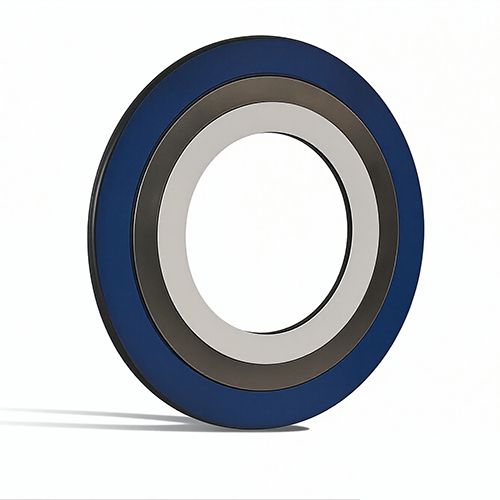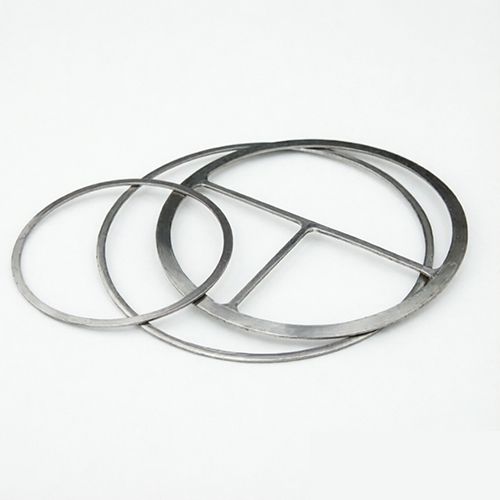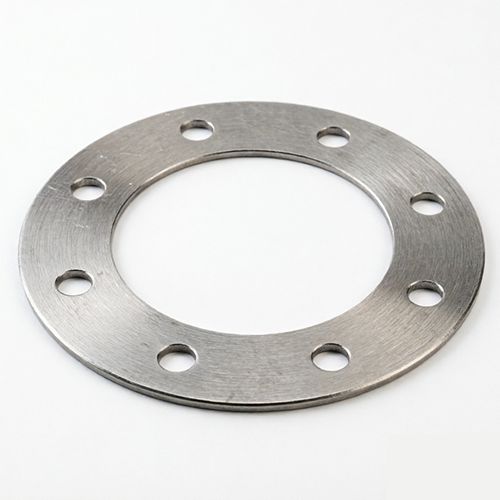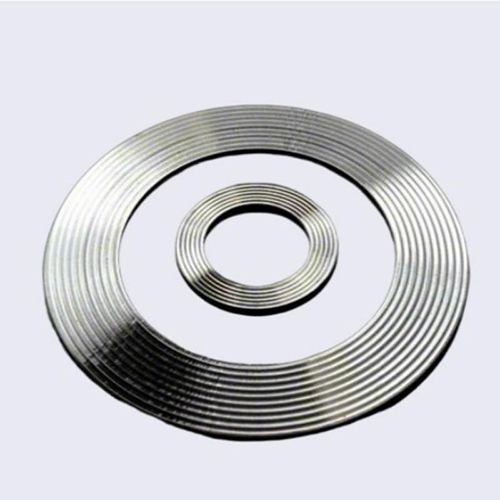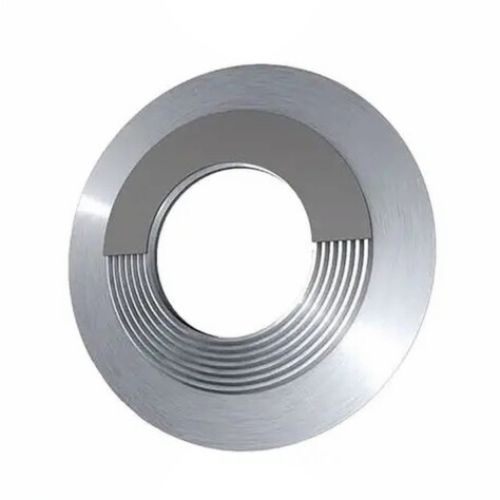

When a refinery maintenance team discovers a weeping flange during a weekend turnaround, the first question is rarely about price; it is about what failed. For purchasing teams, the trail often leads back to a specification that listed line size, pressure class, and maybe a gasket style, but left one critical detail vague: What Materials Are Used in Spiral Wound Metal Gaskets? That missing detail can turn a low-cost line item into unplanned downtime, repeated torque checks, and a supplier investigation. A spiral wound gasket is not a single material. It combines a V-shaped metal winding, a soft filler, and often inner and outer rings, and each component must match the fluid, temperature, cycling, flange finish, and bolting conditions. At Ningbo Kaxite Sealing Materials Co., Ltd., we see this scene often: a buyer has an urgent RFQ, a datasheet with conflicting grades, and a maintenance crew waiting for a reliable answer. The practical solution is to read the gasket as a material system, not as a catalogue number. This guide explains the common metals, fillers, and rings; shows where 304, 316L, graphite, PTFE, and exotic alloys fit; and gives procurement-ready tables you can use to challenge a quotation before the flange is opened. If you are comparing offers and need a fast, material-based review, Kaxite can help you connect the service condition to a documented construction.
Pain point scenario: A plant returns a failed gasket after only six weeks in service. The buyer has the line size, pressure class, and a photo of the damaged part, but no clear record of the media concentration, operating temperature, or flange surface condition. The supplier quotes a standard 304/graphite construction because it is available, while maintenance asks why the joint keeps relaxing. The purchase appears simple; the root cause is a material system that was never matched to the real service scene.
Solution: Build a material brief before you issue the RFQ. Record the fluid or gas, concentration, temperature range, pressure, thermal cycling, flange material, bolt load, and applicable gasket standard. Then ask the supplier to quote the winding metal, filler, and rings as a documented set. Kaxite reviews these inputs with the buyer and flags combinations that look low-cost on paper but carry a high risk in chloride, oxidizer, or high-temperature service.
Procurement parameter table:
| Service input | Why it changes the gasket material | Buyer check before order |
|---|---|---|
| Wet chloride or seawater | 304 may pit; 316L or duplex is often preferred | Confirm chloride level and alloy certificate |
| High temperature or cycling | Graphite oxidation and stress relaxation become critical | Confirm continuous and peak temperature |
| Aggressive chemical media | PTFE fillers may swell or cold flow; exotic windings may be needed | Provide SDS or media compatibility list |
Pain point scenario: A distributor receives a tender with a long material list: 304, 316L, 321, Monel, graphite, PTFE, and ceramic. The buyer’s team knows the gasket style but cannot explain which component performs which job, so offers are compared by unit price instead of by construction and documentation. This is how an apparently compliant quotation can still deliver the wrong sealing system.
Solution: Read the gasket in three layers: the metal winding carries the load, the filler seals the fluid path, and the inner and outer rings support geometry and compression. Ningbo Kaxite Sealing Materials Co., Ltd. helps buyers map each layer to the service condition, so the quotation shows not only the style but also the exact metal grade, filler type, ring material, and standard.
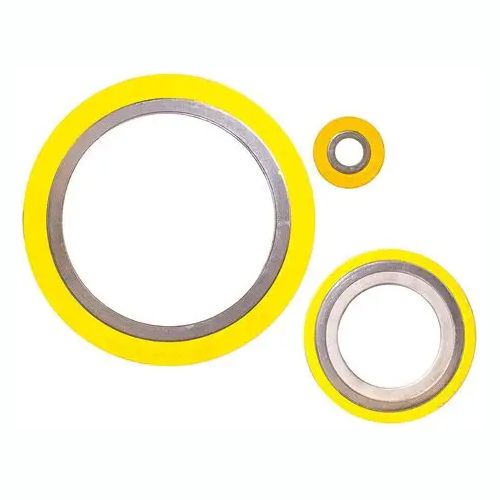
Component parameter table:
| Component | Common materials | Function | Selection note |
|---|---|---|---|
| Metal winding | 304, 316L, 321, duplex, Monel, Inconel | Provides strength, spring-back, and load-bearing structure | Match corrosion and temperature, not only pressure |
| Filler | Graphite, PTFE, ceramic, non-asbestos fibers | Creates the sealing barrier between flanges | Check chemical compatibility and oxidation limits |
| Inner/outer rings | Carbon steel, stainless steel, special alloys | Controls compression, protects the winding, and centers the gasket | Confirm ring material and marking in the quotation |
Pain point scenario: A purchasing agent substitutes 304 for 316L to protect the budget, and the gasket passes the first pressure test. Months later, pitting appears near the flange face, and the maintenance team cannot prove whether the winding grade or the process chemistry caused the issue. The saving on the gasket is small compared with the cost of a repeat shutdown.
Solution: Ask for the winding grade as a separate line item and compare it with the media, temperature, and required certificate. Kaxite supports buyers with material substitution reviews and can quote 304, 316L, 321, and duplex grades with clear traceability so the purchasing team sees the logic behind the price difference.
Winding material parameter table:
| Winding grade | Typical service | Corrosion position | Procurement caution |
|---|---|---|---|
| 304 | General industrial service | Economical, limited chloride resistance | Do not use blindly for seawater or wet chlorides |
| 316L | Chemical, marine, and process lines | Better pitting resistance than 304 | Confirm low-carbon grade when welding or traceability matters |
| 321 | Elevated temperature and cycling | Stabilized grade for high-temperature stability | Verify continuous temperature, not only peak temperature |
| Duplex | Offshore and chloride-rich service | High strength and chloride resistance | Check availability and lead time early |
Pain point scenario: Two quotations show the same spiral wound gasket style, but one uses flexible graphite and the other uses PTFE. The buyer compares only the price and delivery date, then discovers that the selected filler is unsuitable for the oxidizer or high-temperature cycle in the line. The mismatch is invisible until commissioning, when leakage or compression set forces a rework.
Solution: Treat the filler as an application-specific decision. Kaxite asks for media, concentration, temperature, and cycling data, then recommends a filler and winding combination that can be documented in the purchase order. This prevents the common error of using a general-purpose filler in a specialized process.
Filler parameter table:
| Filler | Strength | Limitation | Best procurement action |
|---|---|---|---|
| Flexible graphite | Excellent high-temperature sealing and thermal stability | Can oxidize in strong oxidizers or very high-temperature air | Confirm oxygen or oxidizer presence |
| PTFE | Broad chemical resistance and clean service | Cold flow, lower temperature limit, and creep risk | Check bolt load and cycling in the flange |
| Ceramic/other high-temp fillers | High-temperature and aggressive service options | Application-specific; may require tighter specification | Ask for media compatibility evidence |
Pain point scenario: An offshore project specifies standard stainless steel because it meets the pressure class, but the line carries chloride-rich wet gas and occasional sour service. The buyer later learns that the winding material, not the gasket style, controls the corrosion outcome. A standard grade can pass the dimensional check and still be the wrong choice for the process.
Solution: For aggressive media, review nickel alloys and special ring materials before the tender closes. Ningbo Kaxite Sealing Materials Co., Ltd. can quote Monel, Inconel, Hastelloy, and other alloys with matching inner and outer rings, and can help the buyer compare cost, lead time, and documentation requirements before the order is committed.
Exotic material parameter table:
| Material direction | Typical scene | Buyer value | Lead-time check |
|---|---|---|---|
| Monel windings | Seawater, chloride, and some reducing media | Corrosion resistance where stainless steel may pit | Confirm mill certificate and ring grade |
| Inconel windings | High temperature and aggressive process service | Thermal stability and oxidation resistance | Plan early for long-cycle projects |
| Hastelloy or titanium | Special chemical and severe corrosion duty | Application-specific compatibility | Verify media compatibility with Kaxite before ordering |
Pain point scenario: The gaskets arrive on site with the correct dimensions but without clear material certificates, marking, or batch traceability. The buyer cannot prove that the winding grade matches the approved specification, and maintenance cannot confirm whether the filler is graphite or a substitute. The purchase order is technically complete but commercially exposed.
Solution: Put inspection and documentation into the RFQ, not into a follow-up email. Kaxite supports buyers with material certificates, dimensional reports, marking checks, and packing details so the receiving team can compare the delivery with the approved specification. The goal is a gasket that is both physically correct and auditable.
Inspection parameter table:
| Inspection item | Method | Acceptance focus | Document to request |
|---|---|---|---|
| Winding grade | Certificate review and marking check | Matches approved 304, 316L, 321, or alloy | Mill certificate and batch record |
| Filler type | Visual, supplier declaration, and sample check | Graphite, PTFE, or ceramic as specified | Material declaration |
| Dimensions and rings | Gauge and visual inspection | Inner/outer ring fit and gasket thickness | Dimensional report |
Q: What materials are used in Spiral Wound Metal Gaskets for a typical chemical line?
A: A common construction uses a 316L stainless steel winding, flexible graphite or PTFE filler, and stainless steel or carbon steel inner and outer rings. The correct answer depends on media, temperature, pressure, cycling, and the required standard. Kaxite reviews these inputs before quoting so the buyer receives a material set rather than a generic style number.
| Question focus | Short answer | Next step |
|---|---|---|
| Standard metal windings | 304, 316L, 321, duplex, and nickel alloys | Match to corrosion and temperature |
| Common fillers | Graphite, PTFE, ceramic, and non-asbestos options | Confirm media compatibility and cycling |
| Rings | Carbon steel, stainless steel, and special alloys | Specify material and marking in the PO |
Q: How can a purchasing team avoid material confusion when several suppliers quote different spiral wound gasket constructions?
A: Issue a material brief with the RFQ: media, concentration, temperature range, pressure class, flange finish, bolt load, cycling, and required documentation. Require each supplier to list the winding grade, filler, ring material, standard, and certificate. Ningbo Kaxite Sealing Materials Co., Ltd. can review the brief and return a documented construction that the buyer can compare line by line.
| RFQ input | What to require from suppliers | Kaxite support |
|---|---|---|
| Media and concentration | Written compatibility statement | Material review and recommendation |
| Temperature and cycling | Continuous and peak values | Filler and winding selection guidance |
| Documentation | Certificates, marking, and batch traceability | Inspection and packing coordination |
If you are preparing a tender, replacing a failed gasket, or checking whether a quotation truly matches the service condition, bring the line details to Ningbo Kaxite Sealing Materials Co., Ltd. Kaxite supplies spiral wound metal gaskets and sealing materials with attention to material selection, traceability, and procurement clarity, helping buyers turn vague specifications into documented constructions that maintenance teams can trust. Send your media, temperature, pressure, flange details, and required standard to [email protected], or visit https://www.metal-gaskets.com to review product options and start a material-focused conversation with the Kaxite team. Share your drawing, line list, or failed-part photo, and Kaxite will help you identify the material combination that fits the application before the next flange is opened.
1. Sawa, T., Higuchi, R., & Nakamura, K. (2010). Leakage behavior of spiral wound gaskets under elevated temperature. Journal of Pressure Vessel Technology, 132(3).
2. Kim, Y. H., Lee, S. H., & Park, J. K. (2014). Effects of filler materials on sealing performance of spiral wound gaskets. International Journal of Pressure Vessels and Piping, 119.
3. Kobayashi, T., & Nishida, K. (2012). Finite element analysis of spiral wound gasket compression behavior. Journal of Pressure Vessel Technology, 134(2).
4. Patel, R., & Shah, M. (2017). Corrosion resistance of stainless steel gasket windings in chloride environments. Materials Performance, 56(8).
5. Müller, H., & Weber, F. (2015). High-temperature oxidation of graphite fillers in spiral wound gaskets. Sealing Technology, 2015(6).
6. Chen, L., Wang, Q., & Zhao, Y. (2019). PTFE cold flow and leakage in spiral wound gasket systems. Tribology International, 132.
7. Ahmed, S., & Rahman, M. (2020). Qualification of exotic alloy windings for sour gas service. Journal of Materials Engineering and Performance, 29(4).
8. Rossi, G., Bianchi, M., & Conti, F. (2016). Flange rotation and gasket contact stress in spiral wound joints. International Journal of Pressure Vessels and Piping, 145.
9. Tanaka, H., & Mori, K. (2013). Traceability and material certification for critical gasket applications. Journal of Quality in Maintenance Engineering, 19(2).
10. Wang, J., Li, X., & Sun, H. (2021). Thermal cycling effects on spiral wound gasket relaxation. Journal of Pressure Vessel Technology, 143(5).
-