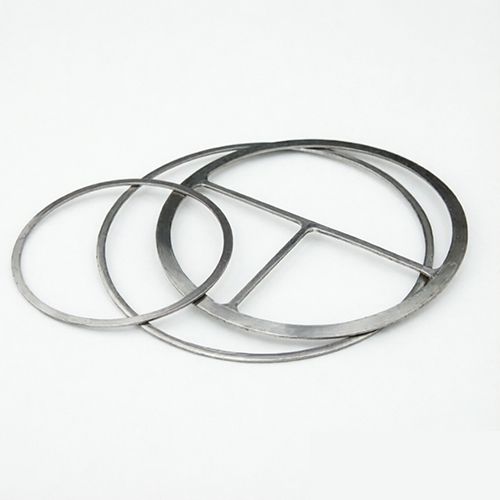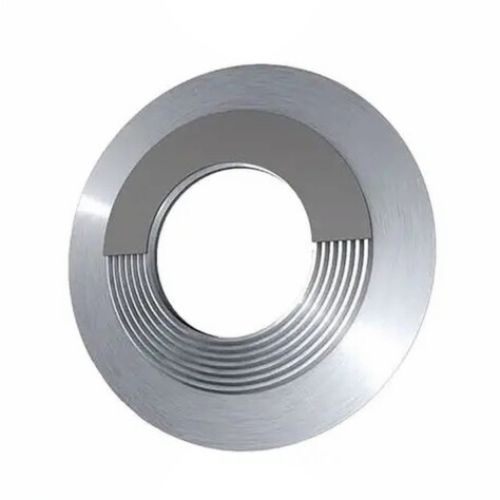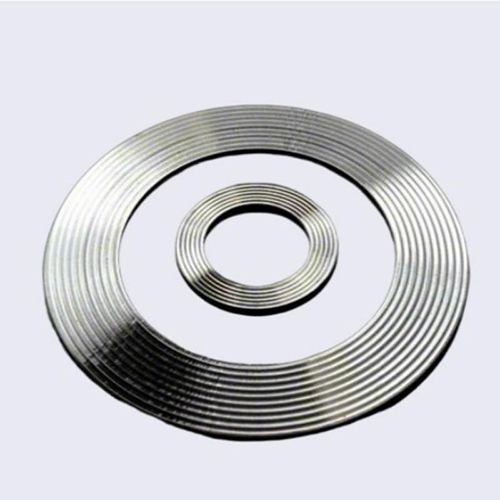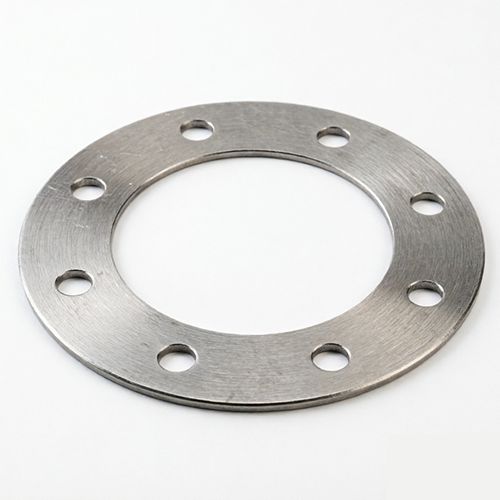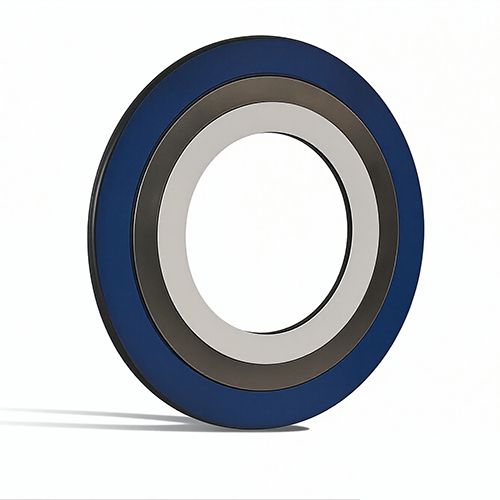

When a metallic gasket connection begins to leak, the first reaction is often to replace the gasket and restart the line. That move can waste a shift, hide the real cause, and create a repeat failure. How Do You Troubleshoot Leaks in Metallic Gasket Connections? Start by treating the leak as evidence: note where it appears, when it starts, what the product is, and how the flange has behaved since the last shutdown. A drip at the outer edge after heat-up points to a different mechanism than a weep at the inner bore during pressure cycling, and a leak that appears only after bolt retorque may signal relaxation, galling, or an incorrect tightening pattern. Procurement teams see the commercial cost clearly: emergency spares, expedited freight, unplanned downtime, and repeated supplier changes. A disciplined troubleshooting sequence protects the specification, the maintenance team, and the next purchase order. At Ningbo Kaxite Sealing Materials Co., Ltd., the practical approach is to connect leak symptoms to gasket geometry, material compatibility, flange surface condition, bolt load, and installation records before a replacement is chosen. The right metal gasket is not simply the same size and style; it is the one that matches the joint’s pressure, temperature, media, flange finish, and assembly control. This guide gives buyers and maintenance engineers a field-ready path to isolate the cause, verify the joint, and turn findings into a clearer RFQ.
A maintenance planner receives a call at 2 a.m. because a steam line has started to weep at a flange. The shift team wants a replacement gasket immediately. Purchasing wants a part number. The site wants the line back online. In that pressure, the most valuable step is a short, structured observation before anyone opens the joint.
Treat the leak as a sequence of clues. Record the leak location, the time it appears, the product, the pressure and temperature at the moment of leakage, and any recent work on the joint. Ask whether the leak is a drip, a mist, a steady stream, or a weep that leaves a stain. Check whether it starts during heat-up, at steady operation, after a pressure spike, or after bolt retorque. These details separate gasket compression problems from flange rotation, thermal cycling, surface damage, and installation error. For buyers, this evidence prevents a rushed RFQ that repeats the same wrong specification.
| Observation | Likely mechanism | First data to collect | Procurement action |
|---|---|---|---|
| Leak appears only after heat-up | Thermal expansion, creep relaxation, or bolt load loss | Cold and hot bolt torque, line temperature, gasket style | Review gasket material and assembly torque target |
| Leak at outer edge with visible stain | Insufficient compression or flange face defect | Flange finish, flatness, gasket compression record | Request surface finish and installation check |
| Leak after retorque | Galling, uneven load, or damaged winding | Lubricant, tightening pattern, bolt condition | Add bolt lubrication and sequence to RFQ notes |
| Leak with pressure cycling | Gasket recovery limit or flange rotation | Pressure cycle range, flange stiffness, gasket thickness | Confirm gasket design for cyclic service |
This step does not replace a proper shutdown inspection. It simply gives the inspection a target. Keep the failed gasket, photographs, torque records, and line data together so the next supplier review starts with facts rather than assumptions.
A common pain scene is a team that replaces the same spiral wound gasket twice in one month. Each replacement looks correct, each start-up seems normal, and each leak returns after a few thermal cycles. The repeated purchase order hides the real issue: the joint is not controlling bolt load, or the flange surface is not supporting the gasket as expected.
Map the root cause with a simple failure-mode review. Check for creep relaxation, thermal mismatch, bolt thread damage, uneven flange stiffness, pipe alignment, and media compatibility. Look for signs of installation damage, such as a twisted winding, a crushed outer ring, or a gasket that was forced into place. Confirm that the gasket dimensions match the flange standard and that the bolt holes align without strain. If the leak is intermittent, review operating data rather than only the failed part.
| Failure mode | Field evidence | What to verify | Corrective action |
|---|---|---|---|
| Creep relaxation | Leak after hot soak or a few cycles | Gasket material, bolt load, temperature | Select a suitable gasket and define retorque practice |
| Flange surface defect | Leak path near a scratch or radial mark | Surface finish, flatness, corrosion pits | Repair or replace flange; specify finish in RFQ |
| Misalignment | Gasket off-center or uneven compression | Pipe fit-up, bolt hole alignment, flange gap | Correct alignment before tightening |
| Material incompatibility | Swelling, cracking, or chemical attack | Media, concentration, temperature | Change filler or gasket construction |
| Installation damage | Cut winding, bent ring, debris marks | Handling, storage, joint cleanliness | Improve handling and inspection steps |
When the evidence points to a repeatable pattern, the purchasing team should update the specification rather than only the spare parts list. Ningbo Kaxite Sealing Materials Co., Ltd. supports this review by matching gasket construction to service conditions and helping buyers define the data that should travel with every order.
The pain scenario is familiar: a new gasket is installed, the line is pressurized, and a leak appears within minutes. The team assumes the gasket is defective, but the joint has not been checked as a system. A metallic gasket connection depends on the gasket, the flange faces, the bolts, the lubricant, and the assembly record working together.
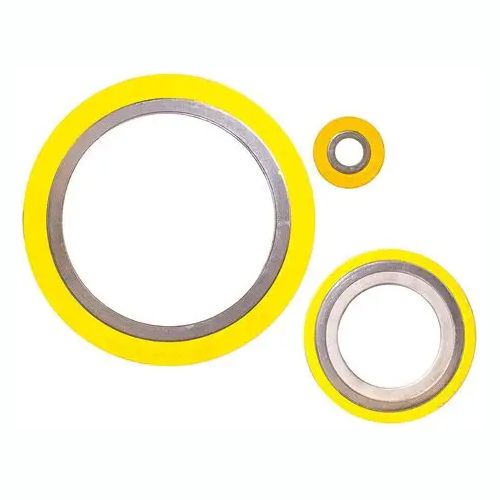
Inspect the gasket for concentricity, winding damage, inner and outer ring condition, and correct thickness. Check the flange faces for radial marks, corrosion, heat damage, and surface finish. Verify that the joint is clean and free of old gasket material. Review the tightening sequence, torque wrench calibration, and lubricant used. If the assembly record is missing, create one for the next shutdown. The goal is not to find a single culprit; it is to remove uncertainty from the joint.
| Inspection point | Target or check | Record to keep | Buyer impact |
|---|---|---|---|
| Gasket dimensions | OD, ID, thickness, ring fit | Part number and batch | Prevents wrong-size replacement |
| Winding condition | No cuts, buckling, or looseness | Photo at receipt and removal | Supports supplier quality review |
| Flange surface | Finish, flatness, no radial defects | Measurement or comparator record | Defines RFQ finish requirement |
| Bolt condition | Clean threads, correct grade, lubrication | Torque and lubricant log | Reduces load scatter |
| Assembly record | Sequence, torque, fit-up, date | Signed checklist | Makes repeat failures traceable |
Kaxite’s sealing specialists can review gasket photos, flange data, and service conditions to help buyers confirm whether the issue sits with the gasket specification, the installation process, or the flange condition.
Another high-cost scene: a leak appears after maintenance retorques a flange to stop a small weep. The retorque makes the leak worse, and the team loses confidence in the gasket. In many cases, the problem is not the gasket alone; it is uneven load, dirty threads, or a sequence that compresses one side of the joint before the other.
Use calibrated tools and a written sequence. Clean and lubricate bolt threads according to a controlled procedure. Bring the joint to a stable condition before final torque. Tighten in a star or cross pattern in stages, and record the final values. For services that require hot retorque, confirm the procedure and safety limits before work begins. Avoid using torque alone as proof of load; bolt friction, thread condition, and washer condition all affect the result.
| Parameter | Why it matters | Field check | Specification note |
|---|---|---|---|
| Bolt grade | Controls allowable preload | Markings and purchase record | State grade and certificate need |
| Lubricant | Changes friction and torque scatter | Product name and batch | Define approved lubricant |
| Torque value | Provides a repeatable assembly target | Calibrated wrench log | Include target and tolerance |
| Tightening sequence | Distributes load around the flange | Step-by-step checklist | Require sequence in work pack |
| Retorque practice | Recovers load after thermal change | Hot/cold torque record | Confirm if service allows retorque |
For procurement, the useful outcome is a clear assembly requirement attached to the gasket order. When buyers send torque targets, lubricant details, and sequence expectations with the RFQ, suppliers can recommend a compatible gasket and avoid mismatched assumptions.
A buyer may receive a request for the same gasket that was used last time, even when the process has changed. The line now runs hotter, the medium is more aggressive, or the cycling pattern is different. The old part number may fit the flange, but it may no longer fit the service. That is a painful way to discover a material limitation.
Match the gasket to pressure, temperature, media, flange finish, and cycling. Consider the filler, the metal winding, the inner and outer rings, and the gasket thickness. For oxidizing media, steam, hydrocarbons, cryogenic service, or vacuum, the material choice needs a specific review. Confirm that the gasket geometry suits the flange standard and that the available compression range can handle the joint condition. A lower-cost gasket that fails early is not a lower-cost purchase.
| Service condition | Gasket consideration | Buyer question | Risk if ignored |
|---|---|---|---|
| High temperature | Filler and metal stability | What is the continuous and peak temperature? | Creep, oxidation, or load loss |
| Steam service | Thermal cycling and purity | Is the steam wet, dry, or cyclic? | Early leakage after start-up |
| Hydrocarbon service | Compatibility and fire safety | What are the media and pressure range? | Swelling, degradation, or emission |
| Cryogenic service | Low-temperature toughness | What is the minimum temperature? | Brittle behavior or seal loss |
| Vacuum or cycling | Recovery and flange stiffness | How many cycles occur per day? | Intermittent leaks and rework |
Ningbo Kaxite Sealing Materials Co., Ltd. helps buyers translate service data into a metallic gasket specification that can be quoted, inspected, and repeated. The company’s focus on sealing materials and practical application support gives procurement teams a technical partner rather than only a parts source.
These two questions appear often when a leak investigation moves from the maintenance team to the purchasing team. The answers should be used as a checklist, not as a substitute for a proper joint inspection.
Focus on load loss and thermal movement. Record cold torque, hot torque, line temperature, pressure at the leak point, and the time from start-up to leakage. Check whether the flange rotates, whether the bolts lose preload, and whether the gasket has enough recovery for the cycle. Review the gasket material, thickness, and winding design against the actual service temperature. Confirm the tightening sequence and lubricant, because uneven friction can cause one side of the joint to lose load first. If the leak repeats after each heat cycle, ask the supplier to review the gasket specification together with the flange and bolt data. Do not simply increase torque without checking the bolt and flange limits.
Check the installation record before ordering a replacement. Confirm gasket size, centering, flange cleanliness, surface finish, bolt condition, lubricant, torque calibration, and tightening sequence. Inspect the removed gasket for a twisted winding, crushed ring, cuts, or debris marks. Compare the leak location with the flange face and bolt pattern. If the gasket is correctly sized but the leak is at one side, suspect uneven load or flange damage. If the leak is at the inner bore, review compression and media compatibility. Send photos, dimensions, service conditions, and torque records to Ningbo Kaxite Sealing Materials Co., Ltd. for a focused review before the next purchase order is released.
Good troubleshooting produces a purchase specification, not just a replacement order. The buyer who captures the evidence gets a faster quotation, a more suitable gasket, and a lower chance of repeating the same failure.
The final pain point is commercial repetition. A plant replaces a gasket, purchasing reorders the old part number, and the same leak returns during the next shutdown. The missing link is a specification that carries field findings into the RFQ.
Build the RFQ around the joint, not only the part. Include flange standard, size, pressure class, gasket type, material, surface finish, media, temperature, pressure, torque target, documentation, and packaging. Add the leak history if the service is critical. Ask the supplier to confirm assumptions and to identify any data gaps. This approach helps buyers compare quotations on the same technical basis and reduces the risk of a low-price offer that does not match the application.
| RFQ field | Example | Why include it | Kaxite support |
|---|---|---|---|
| Flange standard | ASME B16.5, EN 1092, or project standard | Controls dimensions and fit | Dimension review against flange data |
| Gasket type | Spiral wound, metal jacketed, or ring joint | Defines construction and compression behavior | Application-based recommendation |
| Material | Stainless steel winding with graphite or PTFE filler | Matches media and temperature | Material compatibility review |
| Surface finish | Ra target and flatness requirement | Supports reliable sealing | Installation guidance |
| Documentation | Batch traceability, certificate, inspection record | Supports QA and audit needs | Supply documentation coordination |
A repeatable seal starts with a clear specification: the right metallic gasket, the right flange condition, the right bolt load, and a record that lets the next shutdown start with knowledge instead of guesswork.
If the next leak investigation needs a supplier who can connect failure analysis to gasket selection, Ningbo Kaxite Sealing Materials Co., Ltd. is ready to help. The company supplies metallic gaskets, spiral wound gaskets, and sealing materials with a focus on specification review, material traceability, and practical assembly guidance for global buyers. Share your flange data, service conditions, and leak history at [email protected] or visit https://www.metal-gaskets.com to start a technical review. Bring the operating temperature, pressure, media, flange finish, and bolt load target, and the team can help turn a recurring leak into a controlled, repeatable sealing plan.
Bickford, J. H. (1998). Introduction to the Design and Behavior of Bolted Joints. Journal of Pressure Vessel Technology, 120(4), 321–328.
Abid, M., & Nash, D. H. (2000). The effect of bolt tightening sequence on flange joint performance. Journal of Pressure Vessel Technology, 122(4), 468–475.
Bouzid, A. H., & Nechache, A. (2005). The effect of gasket material on bolted flange joint behavior. Journal of Pressure Vessel Technology, 127(3), 293–301.
Waterland, A. F., & Frew, D. (2006). Gasket creep relaxation and bolted flange joint integrity. Journal of Pressure Vessel Technology, 128(3), 407–414.
Zhu, X., & Liu, J. (2017). Leakage analysis of spiral wound gaskets under high temperature. International Journal of Pressure Vessels and Piping, 156, 1–9.
Nechache, A., & Bouzid, A. H. (2007). On the use of finite element analysis for the design of bolted flange joints. Journal of Pressure Vessel Technology, 129(2), 253–260.
Krishna, M. M., Shunmugam, M. S., & Siva Prasad, N. (2010). A study on the sealing performance of bolted flange joints with gaskets. International Journal of Pressure Vessels and Piping, 87(5), 234–241.
Murti, P. S., & Suryanarayana, M. B. (2012). Effect of flange surface finish on gasket leakage. Journal of Mechanical Engineering Research, 4(6), 198–205.
Liu, Y., & Wang, Q. (2018). Thermal cycling effects on metal gasket sealing performance. Journal of Pressure Vessel Technology, 140(5), 051201.
Sun, L., Zhang, H., & Chen, W. (2020). Failure analysis of spiral wound gaskets in petrochemical flange connections. Engineering Failure Analysis, 116, 104750.
-